Sai Pallavi’s Sita Look in Ramayana: How to Get the Saree Styles
Ramayana has been in theatres since November 5, and the conversation online has quietly drifted from box-office numbers to sarees. Behind-the-scenes photos of Sai Pallavi as Sita, shared by fan pages this week, have gone viral, and the reaction is loud: fans keep calling her the “authentic Sita”. So here is the question everyone with a wedding or puja on the calendar is really asking. How do you get the Sai Pallavi Sita look without looking like you are in costume?
We went through what has actually been reported about the looks, and broke each one into something you can wear in real life.
What Sai Pallavi wears as Sita in Ramayana
According to NDTV’s report on the viral images, the BTS pictures show Sita in three moods: bride, warrior and exile. A quick caveat before we get to styling. These photos are circulating through fan pages, not an official costume reveal from the makers of Namit Malhotra’s Ramayana, so treat details like fabric and weight as fan chatter unless the team confirms them.
Here is what the images show, based on that report:
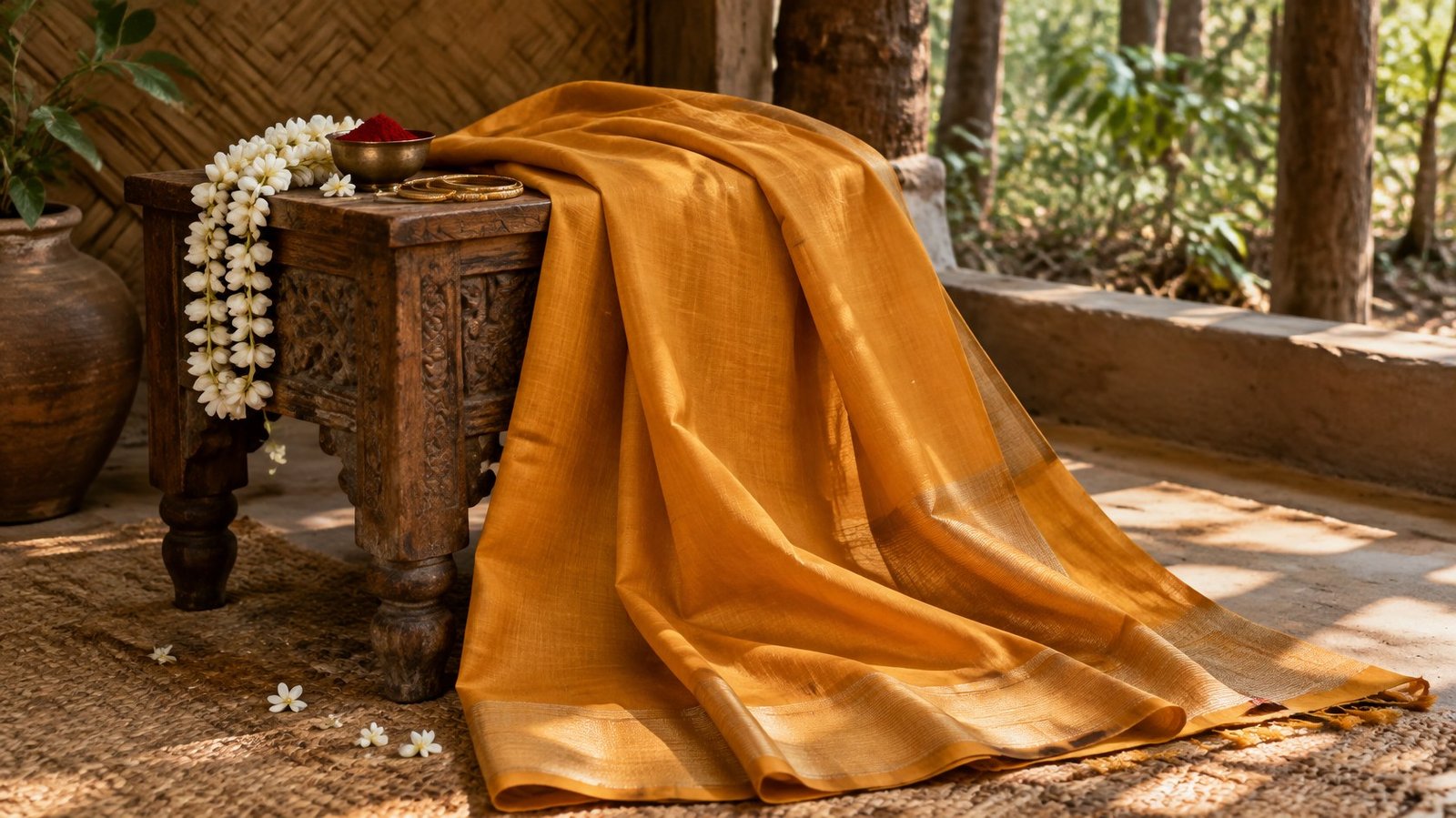
- The exile look test: a plain saffron saree with floral accessories, a red bindi and sindoor. Reportedly from an early look test.
- The warrior look: a bright yellow saree with very little jewellery, which she wears in a fight sequence in the film.
- The bridal look: red bridal couture with studded jewellery and alta for the wedding of Rama and Sita. One fan page claims the outfit weighed 22 kg. Nobody official has said so, and we would not repeat that number as fact.
- The close-up: a saree with a veil tucked under the choodamani (the hair ornament worn at the crown), again with studded jewellery.
What ties all of it together is restraint. No contour-heavy face, no lehenga-level embellishment on the everyday looks, and colour doing most of the talking. That is exactly why it photographs so well, and why it translates to real wardrobes better than most mythological costumes do.
How to get the saffron exile saree look
This is the one people are saving, and it is the easiest to pull off.
The saree. Look for a solid saffron or deep marigold in handloom cotton, mul cotton or a soft cotton-silk. Skip shiny satin and heavy zari. You want the fabric to look slightly lived-in, not freshly ironed into sharp pleats. A thin self-border or a narrow gold line is plenty.
The drape. Go simple: a classic Nivi drape with fewer, softer pleats and the pallu left open rather than pinned into tight folds. If you are comfortable, a looser single-pleat pallu over the shoulder gets you even closer to that unfussy, forest-dweller feel.
The blouse. Elbow-length or three-quarter sleeves in the same colour, or one shade deeper. A contrast blouse will instantly make it look like a party saree, which is not the point here.
The flowers. Real jasmine or mogra in a low bun or a loose braid. Floral accessories are the one thing the exile look leans on, so do not swap them for a crystal clip.
Makeup. Skin that looks like skin, a little kajal, a neat red bindi. If sindoor is part of how you dress, a thin line is enough. If not, the bindi does the job on its own.
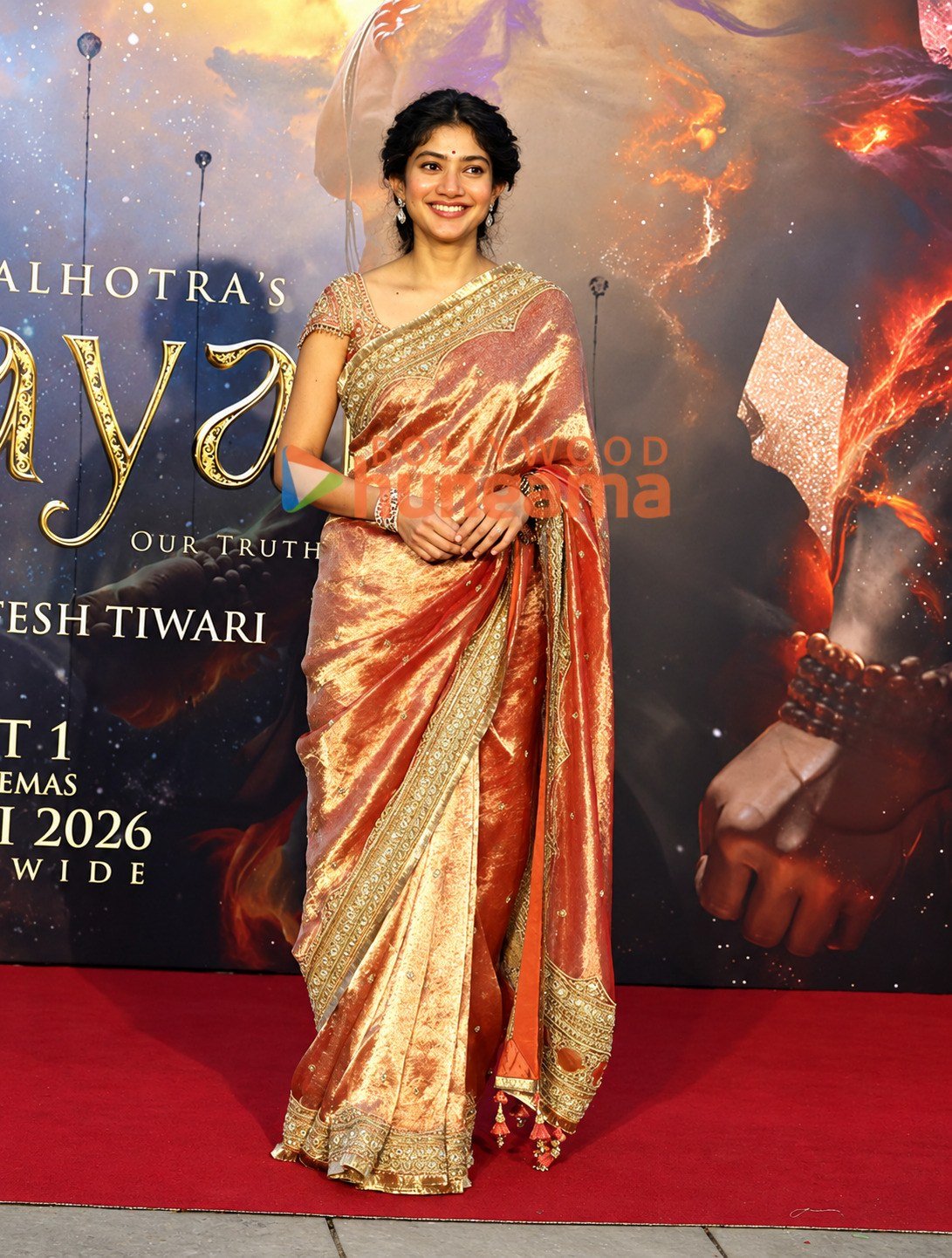
The yellow warrior saree, made wearable
Bright yellow is a gift for haldi functions and daytime pujas, and the film version proves you do not need much else around it. Pick a mustard-to-sunflower yellow in cotton or a light Chanderi. Keep jewellery to small studs or a single pair of bangles; the “minimal accessories” bit is the whole look.
Practical tip from us: drape it a little higher than usual at the ankle and tuck the pallu at the waist if you will be on your feet all day. It reads as confident rather than careless, and it keeps you out of trouble on stairs and mandap steps.
Borrowing from the red bridal look
Few people are going to wear a full couture bridal outfit, claimed weight or not. But the bridal Sita frame gives brides and wedding guests three easy cues:
- Red, not maroon. A true, warm red feels more traditional on camera than the wine shades that dominated the last few wedding seasons.
- Alta on hands and feet. It is cheap, it photographs beautifully, and it instantly makes a look feel rooted. A good option if mehendi does not suit your timeline.
- A head ornament with the veil tucked under it. That choodamani-and-veil detail is the most distinctive thing in the close-up. A maang tikka or a small matha patti with your dupatta tucked beneath gives you the same silhouette.
If you liked how we broke down red here, our guide to Aishwarya Rai’s red saree look from Manish Malhotra’s Diwali party takes the glam route with the same colour.
Hair and jewellery: the quiet part of the look
Hair is doing a lot of work in these images, even when it is not the headline. A centre parting, a low bun or a long braid, and real flowers. If you want a little more drama for a festive evening, hair jewellery is the easiest upgrade; our piece on how to wear hairlets covers the pieces that sit well with a traditional bun.
For jewellery, think temple-style gold or studded pieces in small doses. One statement element (a choker or a head piece) and everything else pared back. Stack two of them and you have left Sita and arrived at reception.
Not everyone is sold, and that is fine
The reaction is not all applause. NDTV also noted a section of users who feel Sai Pallavi and Ranbir Kapoor were not the right fit for Sita and Rama, and some viewers have objected to how one fight sequence was interpreted against the scriptures. Casting debates around Ramayana adaptations are nearly a tradition in India at this point.
Our take: whatever you think of the casting, the styling choice is a smart one. In a year of heavy, mirror-work-everything festive dressing, a big-budget film chose plain saffron, flowers and a bindi for its heroine’s most emotional chapter, and the internet loved it. That should tell designers something. For your own wardrobe, the lesson is simple: one honest colour, a good handloom, real flowers, and the confidence to stop there.
FAQ
What colour saree does Sai Pallavi wear as Sita in Ramayana?
Going by the viral behind-the-scenes images reported by NDTV, she wears a plain saffron saree in an exile look test, a bright yellow saree in a fight sequence, and red bridal couture for the wedding scenes.
Is it true Sai Pallavi’s bridal outfit in Ramayana weighed 22 kg?
That figure comes from a fan page, not the film’s makers or costume team. Until it is officially confirmed, treat it as an unverified claim.
How can I recreate the Sai Pallavi Sita look for a wedding or puja?
Choose a solid saffron, yellow or red saree in cotton or soft silk, a matching blouse, real jasmine or mogra in your hair, a red bindi and one statement piece of gold jewellery. Keep makeup light and the drape simple.