Mochi Skin in India: How to Get the Soft, Plump Finish in Any Weather on a Budget
Glass skin had a long run. The new phrase on beauty feeds is “mochi skin”, and it is a softer idea: skin that looks plump, smooth and bouncy, with a satin glow instead of a mirror shine. Vogue reported on it on October 24, describing it as a Japanese-inspired move away from glazed, ultra-dewy finishes, and the term has been popping up across beauty pages ever since.
Most of what you will read about mochi skin, though, is written for cool, dry Western weather and a shelf of imported products. If you live in India, you are dealing with sticky humidity in Mumbai and Chennai, smog and dry winter air in Delhi, and a budget that does not stretch to a ten-step Japanese routine. So here is how to get mochi skin in India, what actually changes for oily and darker skin, and a routine that costs far less than the trend suggests.
Mochi skin vs glass skin: the real difference
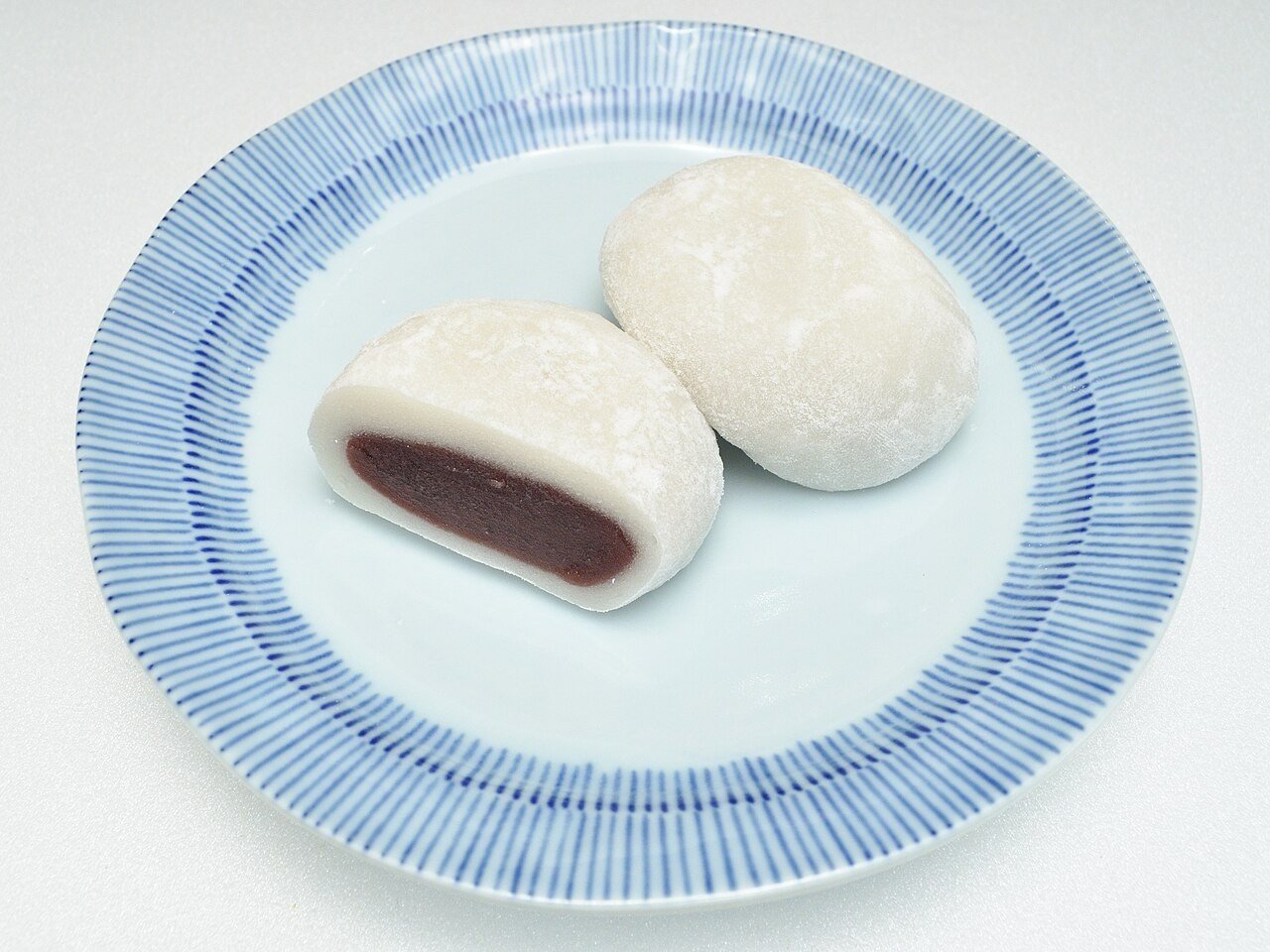
Think of the dessert. Mochi is a Japanese rice cake: soft, a little powdery on the outside, pillowy when you press it. Glass skin is about reflection. Mochi skin is about texture you can almost feel through the screen, with light that is blurred rather than bounced.
For Indian skin this is quietly good news. Glass skin on an oily T-zone at 3 pm in August reads as grease, not glow. A satin finish is far more forgiving in heat and far easier to keep up through a work day.
How to get mochi skin in India: the routine
Mochi skin is mostly skincare, with make-up as the finishing touch. Skip the prep and no blush in the world will fake it.
Step 1: Cleanse without stripping
That tight, squeaky feeling after washing is the opposite of mochi. Use a gentle, low-foam cleanser twice a day. If you wear sunscreen and make-up, especially in Delhi-NCR’s winter pollution, take it off first with micellar water or a cleansing oil at night, then follow with your regular face wash.
Step 2: Hydrate in thin layers
Plumpness comes from water held in the skin. Look for humectants like hyaluronic acid and glycerin. Pat in one thin layer, wait a minute, then add another if your skin still feels tight. Two thin layers beat one heavy one, especially in humid cities where thick creams just sit on top.
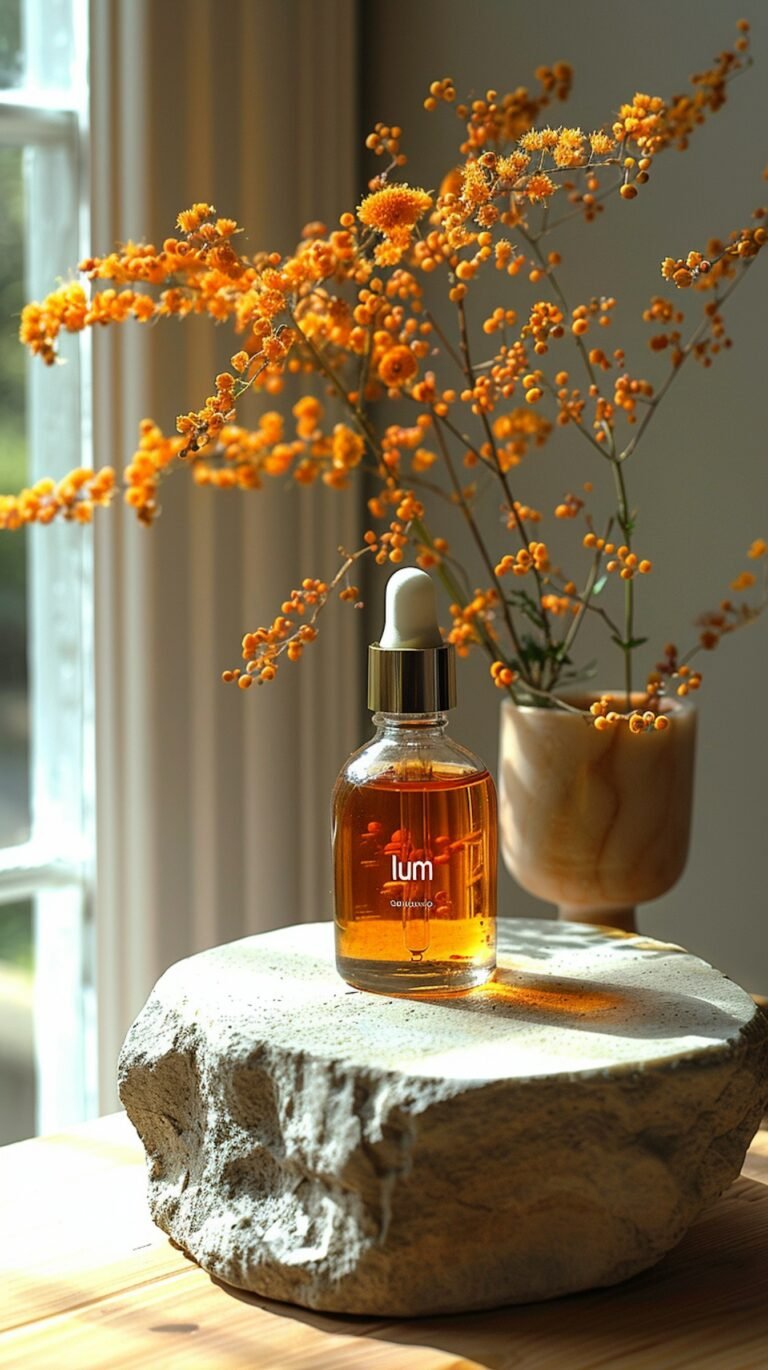
A budget example: Minimalist’s Hyaluronic Acid 2% serum lists an MRP of ₹599 for 30 ml on the brand’s website. Any well-made hyaluronic or glycerin serum will do the same job, so buy what your pharmacy stocks.
Step 3: Protect the barrier
A healthy skin barrier is what makes skin look smooth rather than flaky or patchy. Ceramides help here. In humid weather, pick a gel or gel-cream texture. In a dry North Indian winter, move up to a cream. Minimalist’s Ceramides 0.3% moisturiser, for instance, is listed at ₹599 MRP on its website, and pharmacy brands with ceramides are easy to find too.
Step 4: Sunscreen, every single morning
Uneven tone and tanning break up that soft, even mochi look faster than anything. Use a broad-spectrum SPF 30 or higher. If you hate the white cast, gel or fluid sunscreens are a better match for medium and deep skin tones.
Step 5: Make-up that melts in
- Base: skip full-coverage foundation. Use a skin tint or spot-conceal only where you need it, blended with your fingers so body heat melts the product into skin.
- Cheeks: cream or liquid blush, tapped on high and blended out. For medium and deep Indian skin, warm rose, terracotta and berry shades look like natural flush. Pale baby pinks can turn chalky.
- Glow: no glitter highlighter. If you want light, a tiny dab of balm or a cream highlighter on the top of the cheekbones is enough.
- Set smart: powder only the sides of the nose and the centre of the forehead, lightly. Everywhere else stays soft.
The questions most mochi skin guides leave open
Does mochi skin work for oily or acne-prone skin?
Yes, and arguably better than glass skin. Oily skin still needs water, just not heavy oils. Stick to gel textures, keep the serum layers thin, and use blotting paper in the afternoon instead of piling on more powder. Blotting lifts oil without flattening the finish. If you have active breakouts, treat those first and keep the base light so you are not pressing make-up into inflamed skin.
Will it look ashy on darker skin?
Only if you use the wrong products. The usual culprits are white-cast sunscreens, translucent powders that are too light and frosty highlighters. Swap to tinted or clear formulas and choose blush with warmth in it. The mochi texture itself, soft and plump, is flattering on every skin tone.
Does the season matter?
A lot. In the monsoon and coastal summers, use fewer layers and lighter textures, and let a gel moisturiser carry you. In winter, especially up north, add a richer cream at night and keep a hydrating mist or a few drops of serum in your bag to refresh dry patches through the day. Treat it like your hair routine, which also changes with the weather, as we covered in our bombshell blowout guide for Indian humidity.
Can men do this?
Easily. Steps one to four are just good skincare, with no make-up needed. Plenty of men are already halfway there with a moisturiser and sunscreen. Add a hydrating serum and you have the skincare side of mochi skin. Pair it with a clean cut, like the styles in our short haircuts for men in 2026 piece, and the whole face looks fresher.
What we would actually do
Buy nothing new for two weeks. Start by cleansing more gently, layering your existing hydrating product in thin coats and wearing sunscreen daily. Then judge. If your skin feels tight by lunch, add a humectant serum. If it looks rough or patchy, add a ceramide moisturiser. Those two buys, at around ₹1,200 combined at the MRPs above, do more for mochi skin than any viral cream.
Our honest view of the trend: it is less about a new look and more about a correction. After years of chasing shine, mochi skin rewards skin that is simply well-hydrated, protected and not over-treated. That is a trend Indian weather can actually support.
FAQ
What is mochi skin?
Mochi skin is a beauty trend named after the Japanese rice cake. It describes skin that looks soft, plump, smooth and lightly luminous, with a satin finish rather than the high shine of glass skin.
Can I get mochi skin on a budget in India?
Yes. A gentle cleanser, a hyaluronic acid or glycerin serum, a ceramide moisturiser and a daily sunscreen cover most of it. Indian brands sell hydrating serums and ceramide moisturisers at pharmacy prices.
How long does it take to see results?
Hydration shows up within days, because plumper skin is mostly water. Smoother texture from a repaired skin barrier takes longer, usually a few weeks of consistent care. The make-up side gives you the look on day one.