Nothing Ear (note) in India: Is Recording Calls With It Legal?
Nothing Ear (note) has been climbing India’s Google Trends tech list this week, and for once the buzz is not about sound. It is about a record button. Nothing’s first “AI-native” device, launching on 8 December, is a pair of earbuds whose charging case can record and transcribe the conversations around you. So before anyone books a pre-order, the question Indian buyers are really typing is simpler: if I record a call or a meeting with Nothing Ear (note) in India, is that legal?
Short answer: mostly yes, with some lines you should not cross. Here is what Nothing has actually confirmed, what Indian law says about recording, and how we would use a gadget like this without making enemies at work or at home.
Nothing Ear (note) India launch: what we know so far
Most of the detail comes from a preview Nothing gave Bloomberg, later picked up by Android Authority, 9to5Google and India Today. The confirmed bits:
- Launch date: 8 December 2026. Nothing has not said whether India gets it on day one.
- Price: not announced, in India or anywhere else. 9to5Google reads CEO Carl Pei’s comments as a hint that a subscription will be involved in some form.
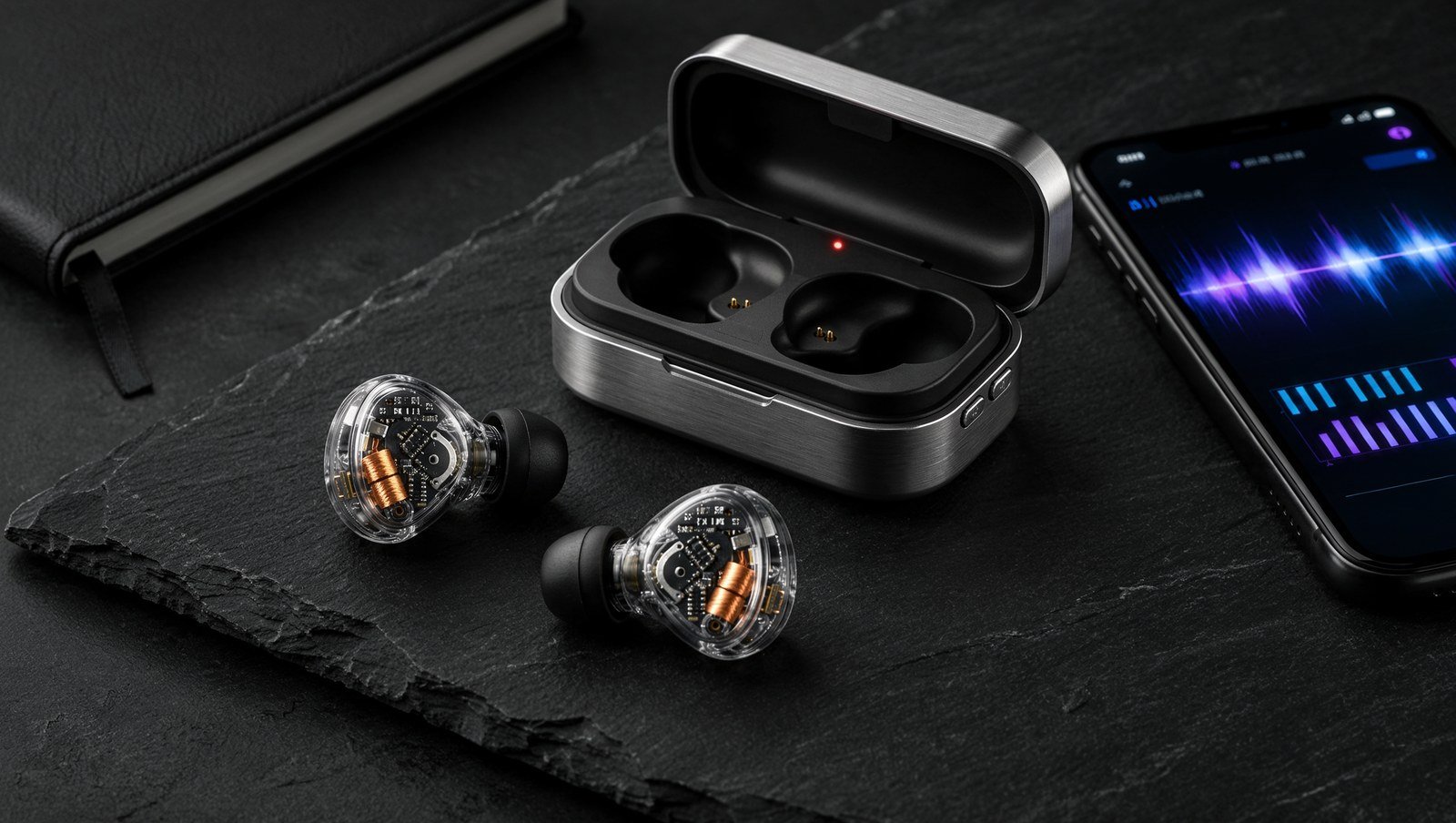
- How it records: the earbuds capture phone calls, while microphones in the charging case pick up in-person meetings, according to Android Authority’s report. You can leave the buds in the case on a table and still walk out with a recording.
- Buttons: a Talk button for recording your own voice notes, plus a separate Record button for conversations. Nothing says the controls borrow from the old Walkman.
- The app: a companion app stores recordings, transcripts and AI summaries, and the device can talk to different AI agents, including Nothing’s own basic voice assistant.
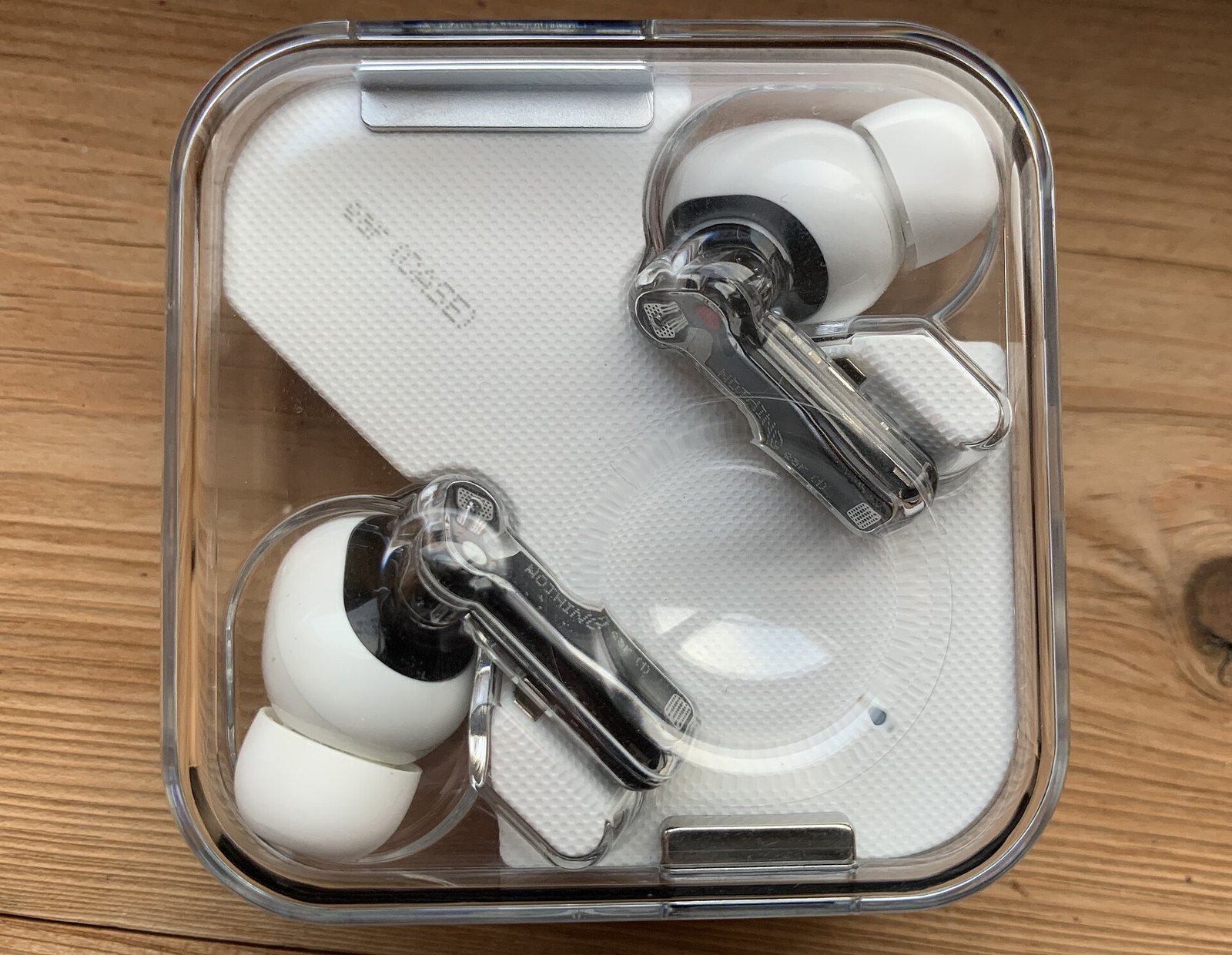
- Design: an aluminium case with squared edges and Nothing’s familiar transparent windows. The company also claims audio quality matches its best in-ear buds, with Hi-Res Audio support.
That is less than you would want before spending money. There is no battery figure, no list of supported languages and no word on whether transcription happens on the phone or in the cloud. Hindi and Hinglish support is the big unknown for Indian users, and we would wait for that answer before getting excited.
So, is recording with AI earbuds legal in India?
India has no single “recording law”. The rules come from Supreme Court judgments and a handful of statutes, and the overall picture is friendlier to recording than many people assume.
If you are part of the conversation, you can usually record it. Indian courts have long treated a recording made by a participant as lawful, a principle that traces back to the Supreme Court’s 1973 judgment in R.M. Malkani v State of Maharashtra. This is often called one-party consent. Your own phone call, your own team meeting, your own interview with a plumber about a leaking tank: you are in the room, so the recording itself is not illegal.
If you are not part of it, stop. Secretly capturing a conversation between other people is a different matter. The guide on India’s rules from the legal resource RecordingLaw.com points to Section 20 of the Telecommunications Act 2023 on interception, and to the IT Act and Bharatiya Nyaya Sanhita for voyeurism and stalking. Leaving the Ear (note) case on a colleague’s desk while you step out is exactly the kind of thing that turns a handy gadget into a legal problem.
Privacy still counts. The Supreme Court recognised privacy as a fundamental right in the 2017 Puttaswamy judgment. Legal doesn’t always mean fine. A recording you are allowed to make can still be misused, and sharing a private chat on WhatsApp groups can land you in trouble even if capturing it was lawful.
Personal use vs work use: the DPDP angle
This is where AI recorders get interesting. India’s Digital Personal Data Protection Act 2023 has a household exemption: data processed for purely personal or domestic purposes sits outside it. Recording your own voice memos or a call with your landlord for your own reference is unlikely to make you a “data fiduciary”.
Businesses are different. A clinic, a sales team or an HR department that records customers or staff is processing personal data, and the Act’s notice and consent duties apply. RecordingLaw.com notes that the detailed obligations under the DPDP Rules 2025 take full effect from 13 May 2027, so companies have a window, but not an excuse. If you plan to use Ear (note) for client calls, tell clients you are recording. Many Indian firms already play that “this call may be recorded” line for a reason.
Courts are another hurdle. If you ever want a recording to count as evidence, the Bharatiya Sakshya Adhiniyam 2023 asks for a certificate for electronic records under Section 63. A transcript sitting in an app is not automatically proof of anything.
How we would actually use Nothing Ear (note)
Our take: this is a genuinely useful idea for people who live on calls, and a risky one for anyone careless. Here is our own rulebook.
- Say it out loud. “I’m recording this so I don’t miss anything” takes three seconds and removes almost every awkward moment.
- Use it for your own memory first. Voice notes, lecture recaps, interview prep and long client briefs are the sweet spot.
- Never leave the case recording when you leave the room. That is the line between note-taking and eavesdropping.
- Check where the audio goes. Before you record anything sensitive, read the app’s privacy policy. If transcripts are stored on servers abroad, think twice about medical or legal calls.
- Ask your office first. Some employers ban recording in meetings, even where the law allows it.
Do you need to wait for this exact product? Not necessarily. As Android Authority points out, Nothing’s Ear (3a) buds already support call recording and AI transcription, and Plaud has announced earbuds with a recording case too. If you want open-ear comfort instead of AI tricks, our guide on whether open-ear earbuds are worth it in India is a better place to start. And if AI agents with access to your life make you nervous, our piece on the Meta Muse privacy check shows which permissions to check first.
What we would not do is buy on launch day without knowing three things: the Indian price, whether AI features sit behind a monthly fee, and whether Hindi transcription works well. Wait for those answers.
FAQ
Is Nothing Ear (note) launching in India?
Nothing has confirmed a global launch on 8 December 2026 but has not announced an India date or price. Nothing sells its phones and earbuds in India through Flipkart, so we expect it here eventually. That is our guess, not a confirmed plan.
Can I record a phone call in India without telling the other person?
Generally, a participant in a conversation can record it, based on long-standing Supreme Court rulings. But recording calls you are not part of is unlawful, and businesses that record customers have consent duties under the DPDP Act. This is general information, not legal advice.
Will Nothing Ear (note) need a subscription?
Nothing has not confirmed pricing. 9to5Google reads Carl Pei’s comments as a sign that a subscription will play some role, likely for AI features such as transcription and summaries. Check the final plan details on launch day.