Zindagi Jhandwa Phir Bhi Ghamandwa Meaning: Ravi Kishan’s Motto
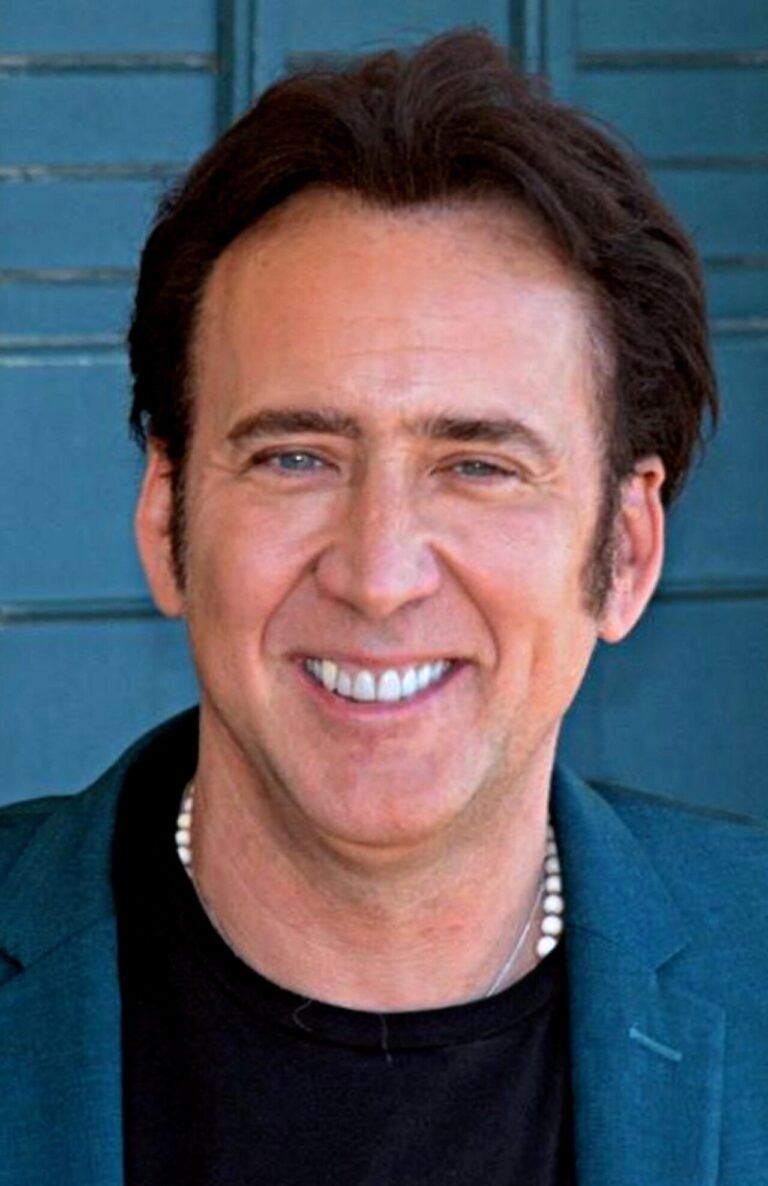
Ravi Kishan walked onto the Koffee With Karan couch this week the way he walks into every room now: hands up, grin on, catchphrase loaded. “Zindagi jhandwa, phir bhi ghamandwa,” he announced, and within hours half of Instagram was asking the same thing. If you’ve heard the line on a reel and nodded along without being fully sure, here is the zindagi jhandwa phir bhi ghamandwa meaning, where it came from, and how to use it without sounding like you’re trying too hard.
Why everyone is suddenly searching it
The episode, the seventh of Season 9, paired Ravi Kishan with Akshay Kumar and premiered on JioHotstar on 25 November. It’s also the show’s last run; Karan Johar has called Season 9 the final season, as The Indian Express noted in its coverage. According to Dainik Jagran’s episode recap, Ravi made his entrance with the line, then taught Akshay his viral hook step, and Karan introduced him as a star loved by Gen Z.
That’s the part worth sitting with. A Bhojpuri superstar and sitting MP, in his fifties, is having a full internet moment with people half his age. The Indian Express points out that “Zindagi jhandwa, phir bhi ghamandwa” has become a widely shared audio on social media. The Koffee clip just poured fuel on it. Add Twinkle Khanna roasting Akshay over 6 am bhajans on a speakerphone call in the same episode, and it’s easy to see why this episode is all over your feed.
Zindagi jhandwa phir bhi ghamandwa meaning, word by word
NDTV translated the line as “Life is a mess, yet still full of pride.” That’s accurate, but it flattens the joke. Break it down and you see why it lands.
- Zindagi: life. No surprises.
- Jhandwa: from “jhand”, the North Indian slang for a mess or a humiliating flop. If your plans got cancelled and your phone died on the way home, your evening was jhand. The “-wa” ending is pure Bhojpuri flavour, the same affectionate, rustic suffix you hear all over Bhojpuri songs.
- Phir bhi: even so, and yet.
- Ghamandwa: “ghamand” means pride, sometimes arrogance, again with that “-wa” twist.
So the literal sense is “Life’s a wreck, but the attitude stays.” The spirit is closer to: I know things are falling apart, I’m laughing about it, and I’m still walking like the hero. It is self-roast and swagger in the same breath. That balance is the whole trick. Pure self-pity would be sad; pure arrogance would be annoying. Ravi’s line sits right between the two, and the rhyme makes it stick.
Where the line actually comes from
This is not a new slogan dreamed up for reels. Ravi Kishan has been saying it for nearly two decades. In an online fan chat from early 2007, archived by Filmibeat, a fan asked who made up “zindagi jhandwa phir bhi ghamandwa”. His answer: “i wrote that”, adding that the “shlok” in Bigg Boss was his. He had been a housemate on the very first season of Bigg Boss in 2006-07, and the line became his calling card in the house.
It caught on fast. A July 2007 Mumbai Mirror report on a mobile game built around Ravi, called Bajrangi, mentioned that the company had also made a ringtone of what he described as his famous Bigg Boss dialogue. So yes, the phrase was a ringtone before most of today’s Gen Z fans were born.
The confusion around it is old too. There’s a Reddit thread on r/india from around 2017 asking what the phrase means and whether it’s a good thing to be called that. People are still asking, which is exactly why a proper explainer helps.
Is it a compliment or an insult?
Depends entirely on who’s saying it, and about whom.
When you say it about yourself, it’s charming. You’re owning a bad week with humour, which is the most relatable thing on the internet right now. When a friend says it about you with a laugh, it’s banter: you messed up, you’re still strutting, they love you anyway.
Said with a raised eyebrow, though, it can sting. Aimed at someone else, it can mean “all attitude, zero results”, the guy who failed the exam but still lectures everyone about study plans. So use it on yourself freely. Use it on others only if you’d be comfortable hearing it back.
How to actually use it (without cringing)
The phrase works best as a caption or a punchline, not a sentence in the middle of a work email. A few places it fits naturally:
- Under a photo where your outfit is perfect and everything else went wrong: missed the metro, rain ruined the hair, but the jacket is doing its job.
- As a reply in the group chat when someone lists their disasters for the week.
- As a gentle tease when a friend is clearly winging it with full confidence.
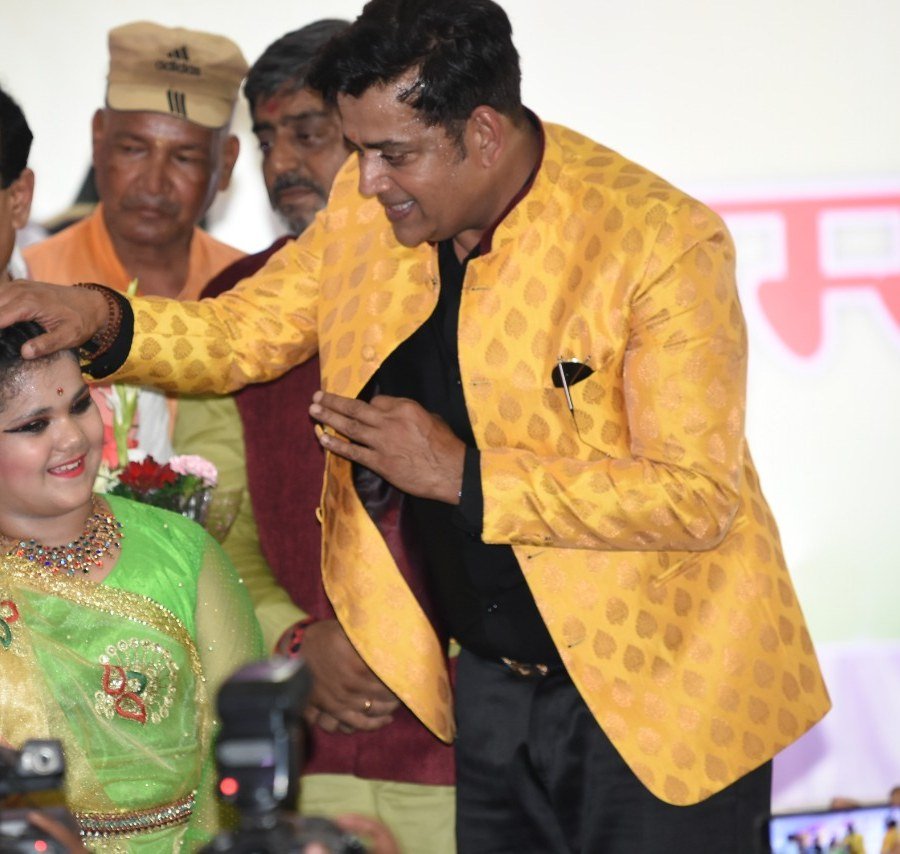
Ravi himself is the style guide. He wears the line the way he wears a gold brocade jacket: loudly and without apology. Hold back and it sounds forced. If you’re going to say it, say it like you mean it.
Why Gen Z adopted a 2006 catchphrase
Ravi Kishan told Karan Johar something on this very episode that explains it better than any trend report. Talking about his self-given “Bihar ka Brad Pitt” title, he said, as quoted by The Indian Express: “nobody is going to promote us. So it is better to toot your own horn.” He also said he never expected Gen Z to get hooked on him at this age.
That is basically the zindagi jhandwa philosophy in plain Hindi-English. Young Indians juggling job hunts, rent and endless comparison online have made self-deprecating confidence their default voice. It’s the same energy behind beauty trends with tongue-in-cheek names, like the one we unpacked in our piece on eyemaxxing for dark brown eyes. Laugh at the chaos, keep the glow-up going.
It helps that Ravi’s recent work gave people a reason to look again. His scene-stealing police inspector in Kiran Rao’s Laapataa Ladies (2024) won him a new audience, and NDTV reports he has Naagzilla, with Kartik Aaryan, and Khosla Ka Ghosla 2 coming up. The man is everywhere, and the catchphrase follows him.
Our take
Bollywood loves inventing slogans for promotions. Most die with the film. This one has survived Bigg Boss, a ringtone era, a political career and now a Gen Z revival, because it says something true: life does get messy, and carrying yourself well anyway is a choice. Few celebrity catchphrases age that gracefully. Watch the Koffee episode for the Twinkle call alone, then steal the line for your next bad day. And if you enjoy how a single Bollywood moment turns into a full internet event, our explainer on Tu Mil Jaaye, King’s first song, is a fun next read.
FAQ
What does zindagi jhandwa phir bhi ghamandwa mean in English?
Roughly, “Life is a mess, but I’m still proud.” “Jhand” is slang for a mess or failure, “ghamand” means pride, and the “-wa” endings give it a Bhojpuri twist. It’s a funny way of owning your problems while keeping your confidence.
Who said zindagi jhandwa phir bhi ghamandwa first?
Ravi Kishan. In a 2007 fan chat archived by Filmibeat, he said he wrote the line himself, and it became famous during his stint on the first season of Bigg Boss.
Where can I watch Ravi Kishan’s Koffee With Karan episode?
The Season 9 episode with Ravi Kishan and Akshay Kumar streams on JioHotstar. It premiered on 25 November 2026.