Copper Peptide Serum: Is the Viral Skincare Trend Worth It in India?
Scroll through skincare TikTok or Instagram this week and one ingredient keeps popping up in “shelfie” videos: the copper peptide serum. Usually blue, often Korean, always promising firmer skin. But is a copper peptide serum worth it in India, and how do you use one without wrecking your skin barrier? Here’s the honest version.
Why copper peptides are suddenly everywhere
The hype has numbers behind it. Trade publication Happi, citing analysts at Spate, reports that copper peptide serums are seeing 91.8% year-over-year growth and are in the “growth stage” of the trend cycle, with about 7,300 average monthly Google searches and more than half a million average weekly TikTok views.
There is a twist in the same data, and it’s the part we liked most. Spate found that 90.6% of TikTok visibility for the trend comes from paid views, with engagement at just 1.3%. In plain words: a lot of what you are seeing is sponsored. That doesn’t make the ingredient bad. It does mean you should treat your feed with a little suspicion.
The same report links the buzz to K-beauty, to related ingredients like PDRN and GHK-Cu, and to searches around ageing, fine lines, skin barrier and sensitive skin.
What a copper peptide actually is
The most common one in skincare is GHK-Cu, a tiny protein fragment bound to copper. You’ll see it on labels as “copper tripeptide-1”. It occurs naturally in the body, and researchers have studied it for decades in relation to wound healing and skin repair.
In serums, brands pitch it for three things: supporting collagen and elastin (the proteins that keep skin firm and bouncy), calming and repairing the barrier, and softening the look of fine lines. Dermatologists generally see it as a promising, gentle active. They also tend to point out that the strongest evidence still belongs to older, cheaper heroes: daily sunscreen and retinoids.
That’s the right way to think about it. Copper peptides are a supporting actor, not the lead.
Copper peptide serum vs retinol vs vitamin C
People keep asking which one to choose, so here is our quick comparison:
- Retinol: the most proven for fine lines and texture, but it can sting, peel and make skin sensitive at the start.
- Vitamin C: great for dullness and dark spots, which matters for a lot of Indian skin, but some forms are unstable in heat and humidity.
- Copper peptides: gentler, more about repair and firmness, and a good fit if your skin hates strong actives.
If pigmentation is your main worry, vitamin C or niacinamide will probably do more for you. If your skin feels thin, tight, irritated or “overdone” from too many acids, copper peptides make a lot of sense.
How to use a copper peptide serum in India
Most of the mistakes happen in the routine, not the bottle.
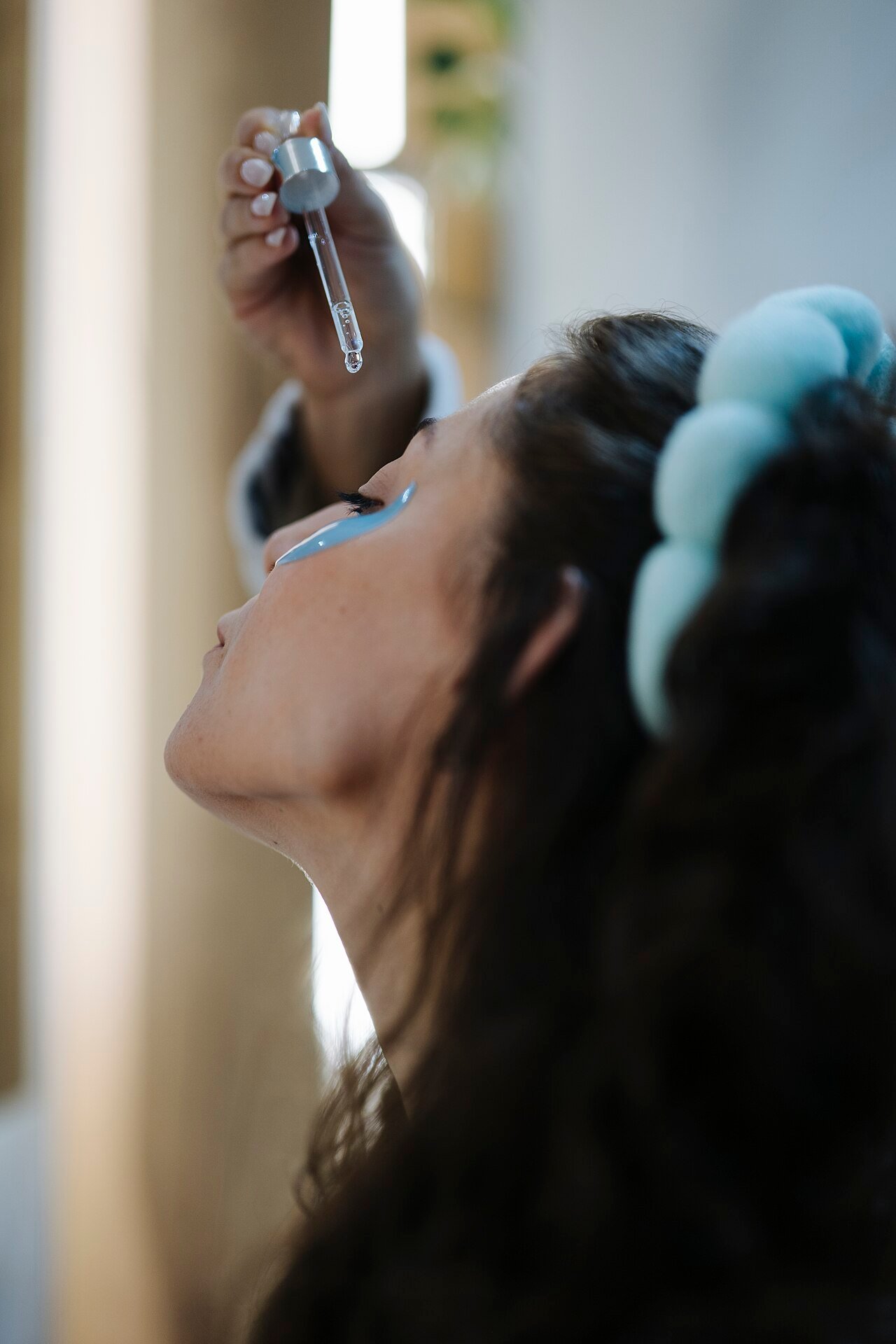
- Start slowly. Use it once a day, at night, on clean skin, for the first two weeks.
- Don’t stack it with strong acids or vitamin C in the same routine. Many brands and skin experts advise keeping copper peptides away from direct acids (AHAs, BHAs) and pure vitamin C, because the combination can make each less effective and may irritate. Use vitamin C in the morning and peptides at night.
- Be careful with retinol nights. If you use retinol, alternate nights instead of layering both at once.
- Follow with a moisturiser, a light gel in humid cities like Mumbai or Chennai, a richer cream in a Delhi winter.
- Sunscreen every morning. No serum fixes firmness while you skip SPF under Indian sun.
Patch-test behind your ear or on your jaw for a few days. Skin that reacts badly to metals or that is mid-acne flare should check with a dermatologist first.
Is a copper peptide serum worth it? Price and availability in India
You don’t need to import anything. Copper peptide serums from international and Korean brands are sold through Indian beauty platforms such as Nykaa and on Amazon India, and a few homegrown brands have launched their own versions. Prices vary a lot by brand and bottle size, so compare the price per ml rather than the sticker price, and buy from the brand’s official store or an authorised seller. Fakes of popular K-beauty products do turn up on marketplaces.
Look for “copper tripeptide-1” in the ingredient list, an opaque or dark bottle, and a short, simple formula. Fragrance-free is a bonus if you are sensitive. A blue tint is normal; that’s the copper.
So, worth it? If you already wear sunscreen daily, have a basic routine that works, and want something gentle for firmness and repair, yes, it’s a sensible add-on. If you have no sunscreen habit yet, spend that money on a good SPF first. Honestly, it will do more.
Our take
Copper peptides are a real ingredient riding a partly paid hype wave. Both things are true. The science is encouraging, the texture is pleasant, and it suits skin that’s tired of harsh actives, which is a lot of us after years of acid toners. Just don’t expect a bottle to deliver what influencers promise in a 15-second clip. Give it eight to twelve weeks, keep the rest of your routine boring, and judge it in natural light. If you’re building a softer, healthier base, it pairs nicely with the approach in our mochi skin guide for India.
FAQ
Can I use a copper peptide serum with niacinamide?
Generally yes. Niacinamide is mild and is commonly layered with peptides. Patch-test the combination first if your skin is sensitive.
Is a copper peptide serum good for oily or acne-prone skin?
It can be, since most are light and water-based. Choose a non-comedogenic formula and keep it away from active breakouts that are being treated with prescription creams unless your dermatologist agrees.
How long does a copper peptide serum take to work?
Barrier comfort can improve within a few weeks. Changes in firmness or fine lines, if you see them, usually take a couple of months of steady use.
Source for trend data: Happi, citing Spate’s analysis of copper peptide serum searches and TikTok views.