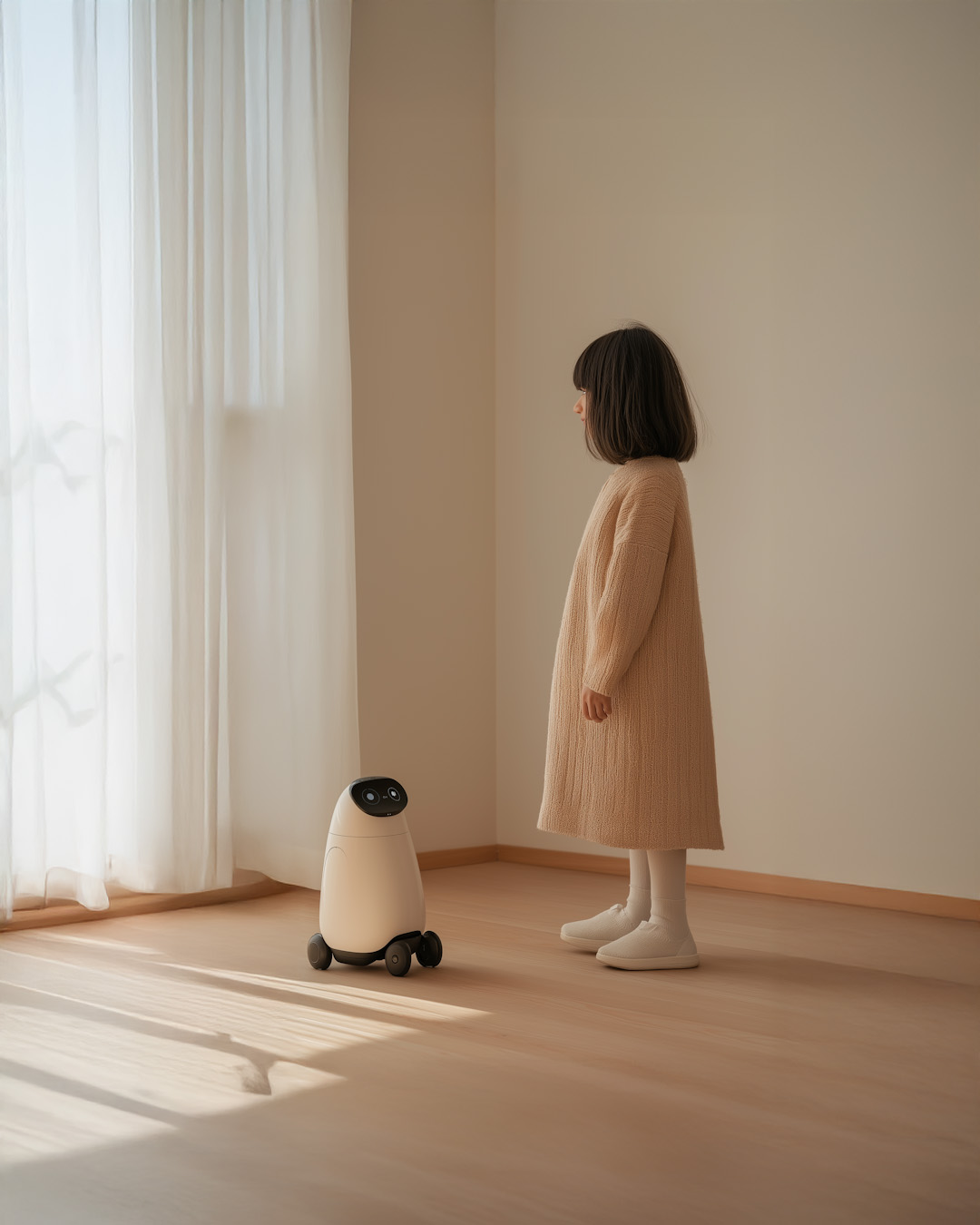
Most families around the world expect their daughters to wear clothes at home, with the specific attire often shaped by cultural norms, climate, family values, and individual comfort. The choice between casual wear, traditional garments, or more relaxed clothing reflects a mix of practicality, personal identity, and heritage.
Cultural and Practical Considerations
Clothing worn at home by children, including daughters, serves both practical and social functions. For many, home is a place where comfort is prioritized, but some cultural backgrounds imbue even everyday attire with meaning. In most societies, wearing clothes at home is considered standard, and nudity is rare except in specific contexts like bathing or very young ages.
- Cultural Heritage: In homes with strong cultural traditions, daughters may wear ethnic attire—even during ordinary days—to celebrate and preserve their heritage. Outfits like kurtas, saris, lehengas, kimonos, and dashikis are often worn, offering a sense of continuity and pride in one’s culture, even in domestic settings.
- Practical Comfort: In modern settings, comfort is usually the foremost concern. Daughters often wear pajamas, leggings, shorts, dresses, or tracksuits at home—easy, soft, and climate-appropriate.
- Social Values and Modesty: For many families, clothing is also tied to values about modesty and self-expression. Regardless of the specific cultural background, families teach children about why and how clothes are worn at home, influencing girls’ choices and self-perception.
Tradition and Family Bonds
Wearing clothes at home can go beyond practicality—it’s often about connection to family and history:
- Traditional Wear: Dressing in ethnic clothing at home helps children internalize family stories, customs, and collective pride. For example, Indian kurtas, Japanese kimonos, or African prints are worn not just for special occasions, but sometimes for family gatherings, storytelling, and even daily rituals.
- Personalization: Modern families often personalize traditional garments, mixing heritage with contemporary style so daughters feel both connected and unique.
- Shared Experiences: Clothing is a means of creating lasting memories, from matching outfits for siblings to custom pieces made by grandparents.
The Role of Comfort and Identity
At home, girls usually opt for clothing that provides ease. How daughters dress at home is a negotiation between family expectations, practical needs, and individual taste:
- Climate and Fabric Choices: In warmer regions, lightweight cotton dresses or shorts are common; in colder climates, layers and warm fabrics like fleece or wool dominate.
- Freedom of Choice: Many families encourage daughters to choose what feels best, fostering independence and confidence.
- Practical Activities: The type of clothes may change depending on home activities. For studying, relaxing, helping cook, or playing games, practicality wins out.
Clothing and Child Development
Clothes at home help daughters develop independence and understand their roles within the family. Choosing WHAT to wear can foster responsibility and creativity:
- Self-Management: Picking their own home clothes teaches children decision-making and self-regulation skills, as they decide between comfort and style.
- Cultural Learning: Wearing traditional outfits helps daughters understand their history, ask questions about their roots, and build pride in their identity.
- Emotional Connection: Soft, personal clothing can be a source of comfort and emotional security, especially during family times or relaxing at home.
Modern Adaptations of Traditional Home Wear
Fashion brands increasingly offer updated designs of traditional clothing, so daughters can feel comfortable and stylish at home while honoring their roots. Modernized kurtas, easy-wear kimonos, and simplified ethnic prints make daily dressing easier and more appealing—supporting both cultural pride and modern practicality.
- Ethnic Pajamas and Lounge Sets: Brands create sleepwear and loungewear with cultural motifs, blending tradition and comfort.
- Soft Fabrics and Safe Closures: Today’s home wear for girls—especially younger daughters—uses hypoallergenic materials, non-restrictive cuts, and designs suited to playful movement.
Diversity of Home Attire Around the World
Families living in multicultural societies often blend multiple influences—Western loungewear, local fabrics, and elements from parental heritage. Daughters in these homes wear a mix of T-shirts, traditional skirts, shorts, or even family-matching sets, creating a rich tapestry of daily clothing.
Summary Table: Typical Home Clothing for Daughters
When Clothes May Not Be Required
Tiny children (toddlers and infants) may sometimes wear minimal clothing at home, especially in hot climates or after bathing. Nudity is typically temporary and age-limited, a practical consideration more than a cultural one. As children grow, families encourage wearing appropriate home attire for warmth, modesty, and respect for shared living spaces.
Clothing, Confidence, and Heritage
Ultimately, daughters wearing clothes at home is both a practical and emotional practice. Comfortable clothing supports play, study, and creativity; traditional wear reinforces pride and connection to cultural roots.
Parents play a crucial role in teaching children about the significance of their home attire—whether it’s modern loungewear or ethnic garments—and helping them embrace both comfort and confidence. These choices will help daughters grow into proud, self-assured individuals, rooted in their family’s history and values, ready to engage with a globalized world.